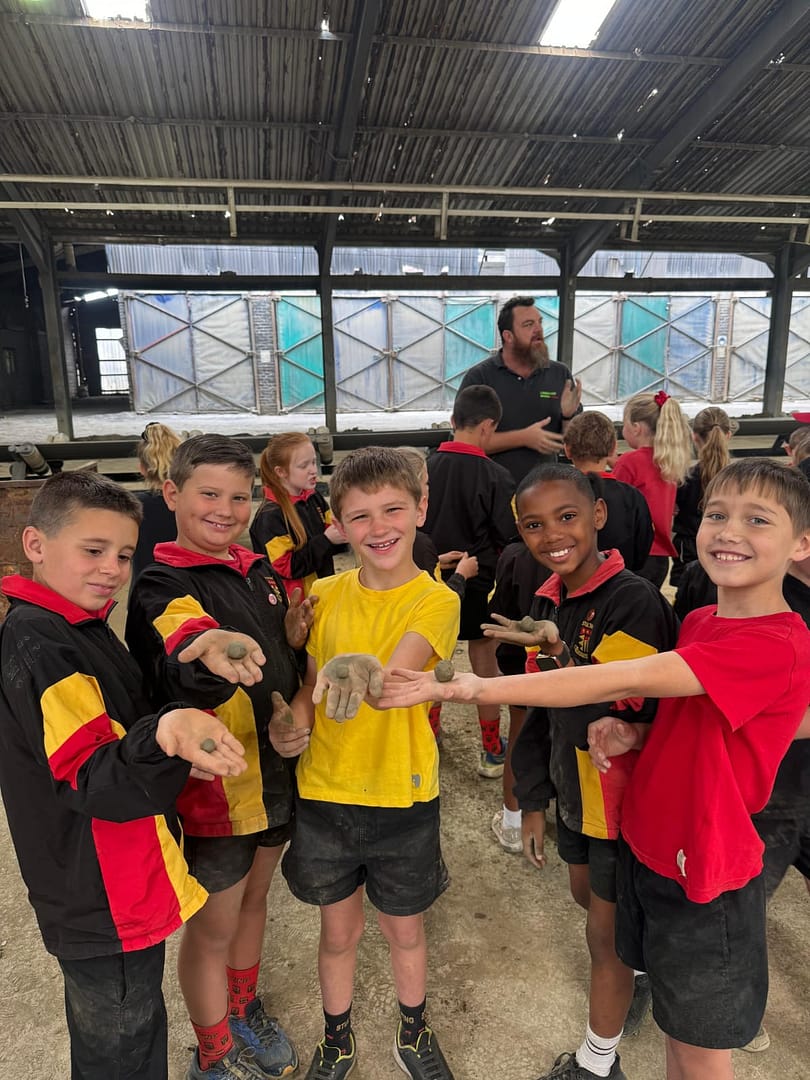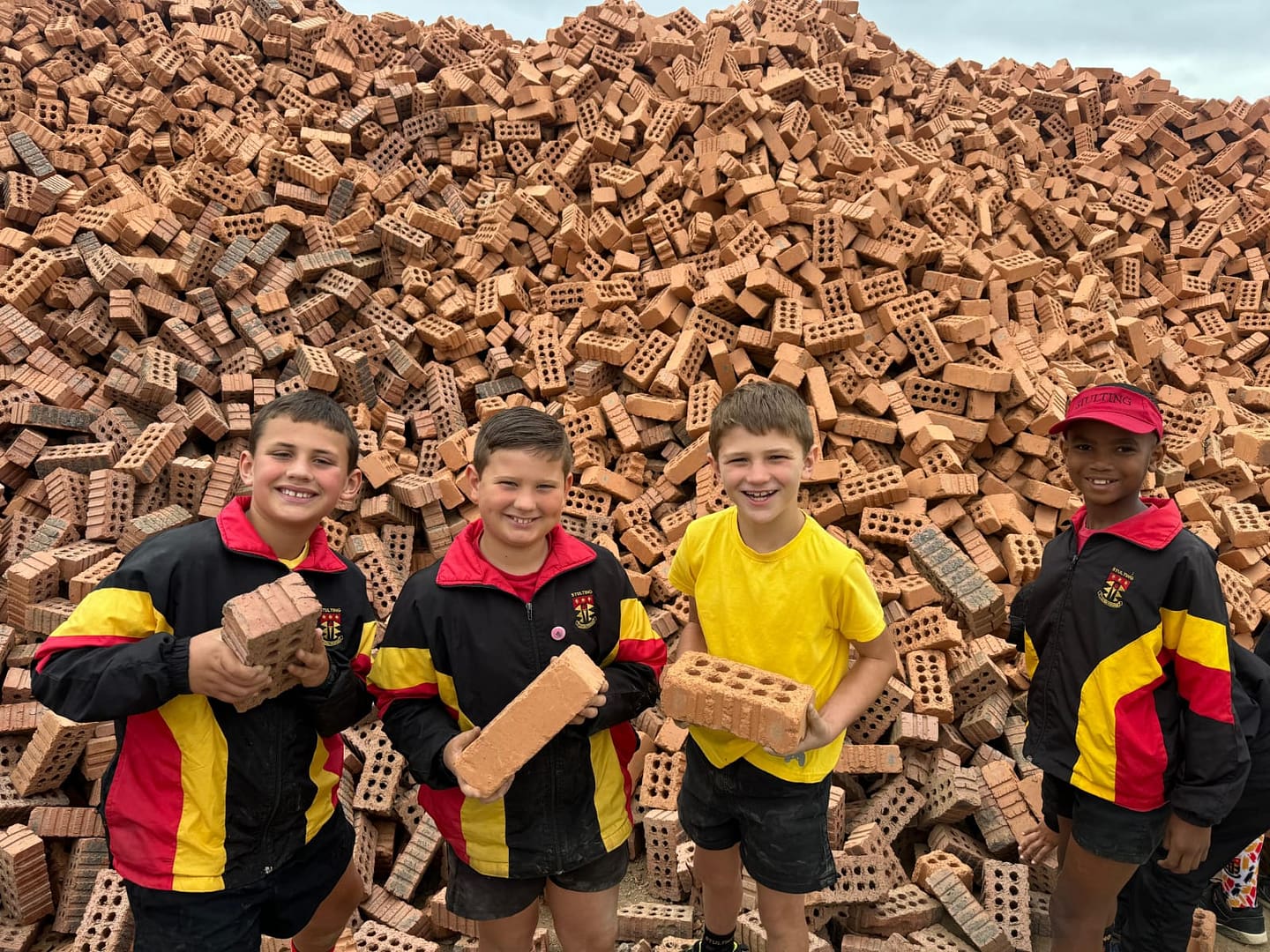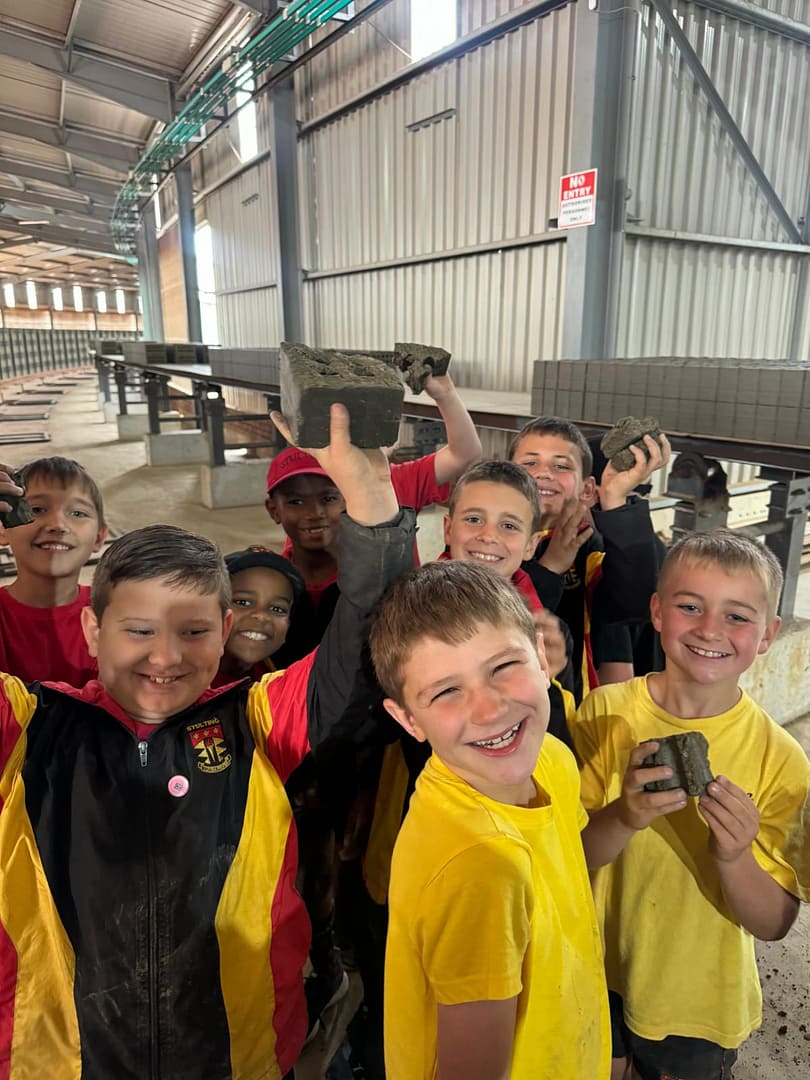
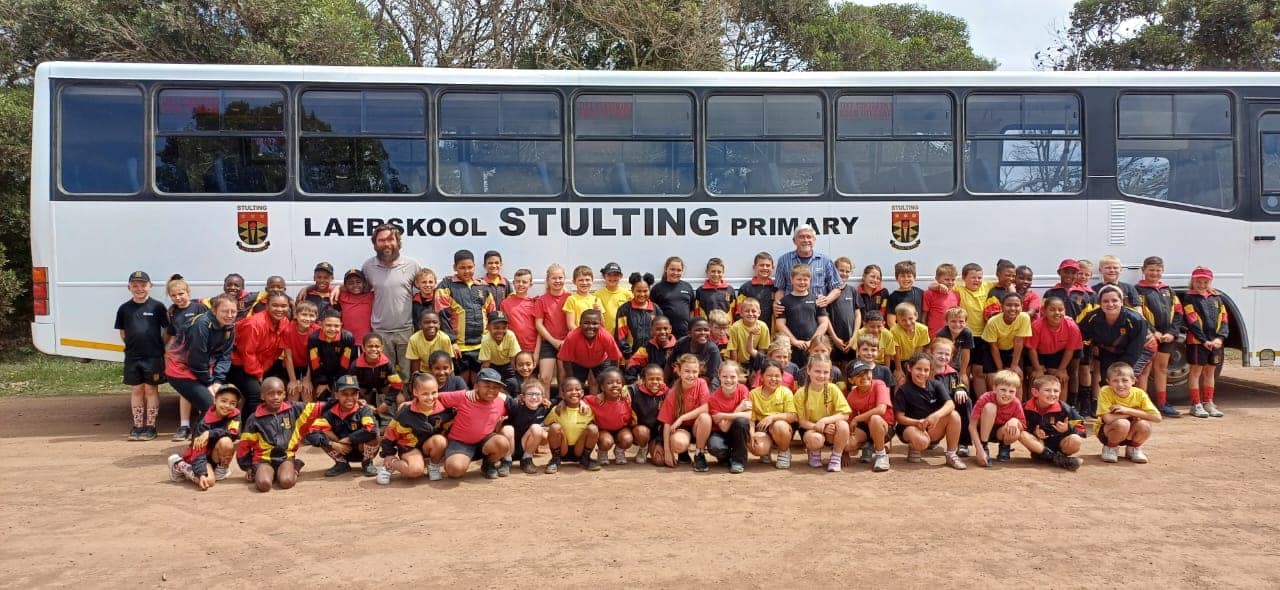
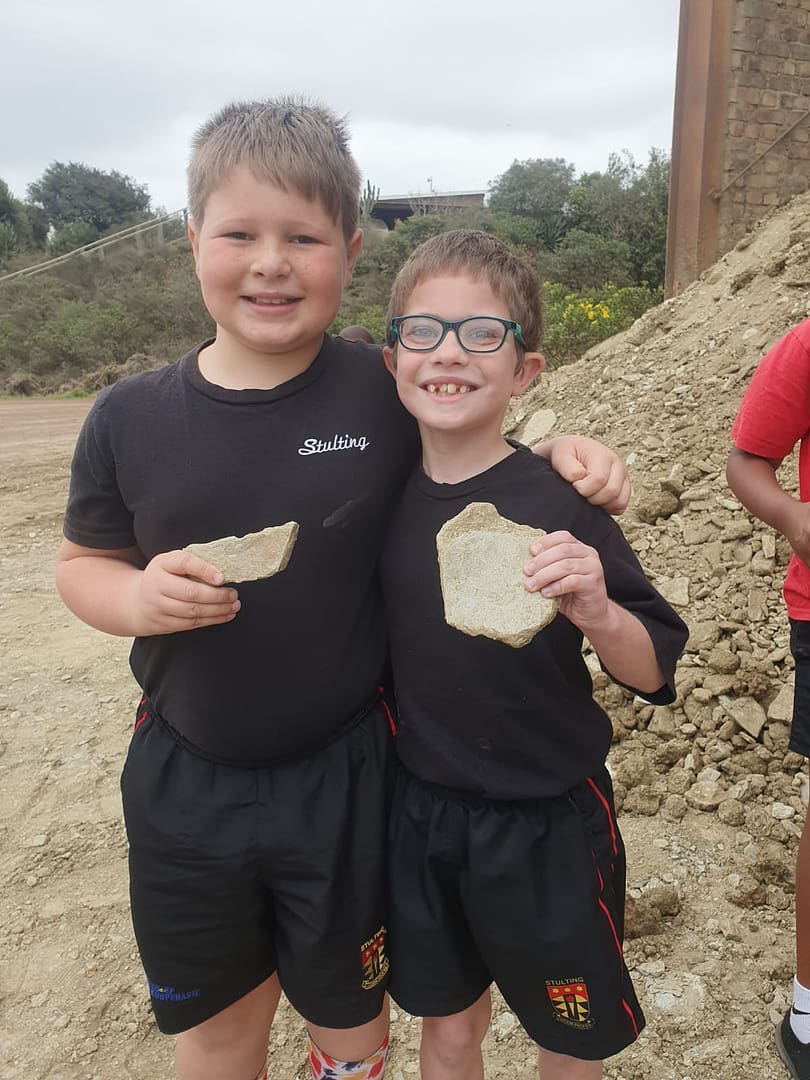
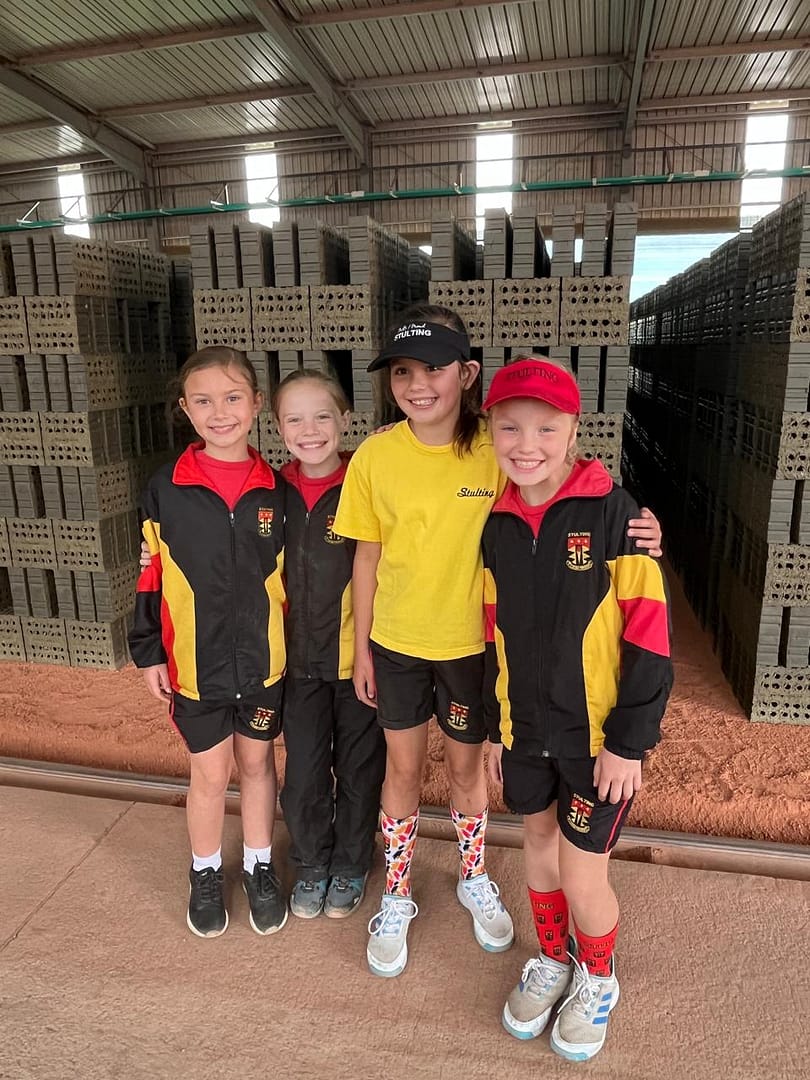
Laerskool Stulting Primary se graad 3’s geniet hul uitstappie na die Steengroewe
ADVERTISEMENT
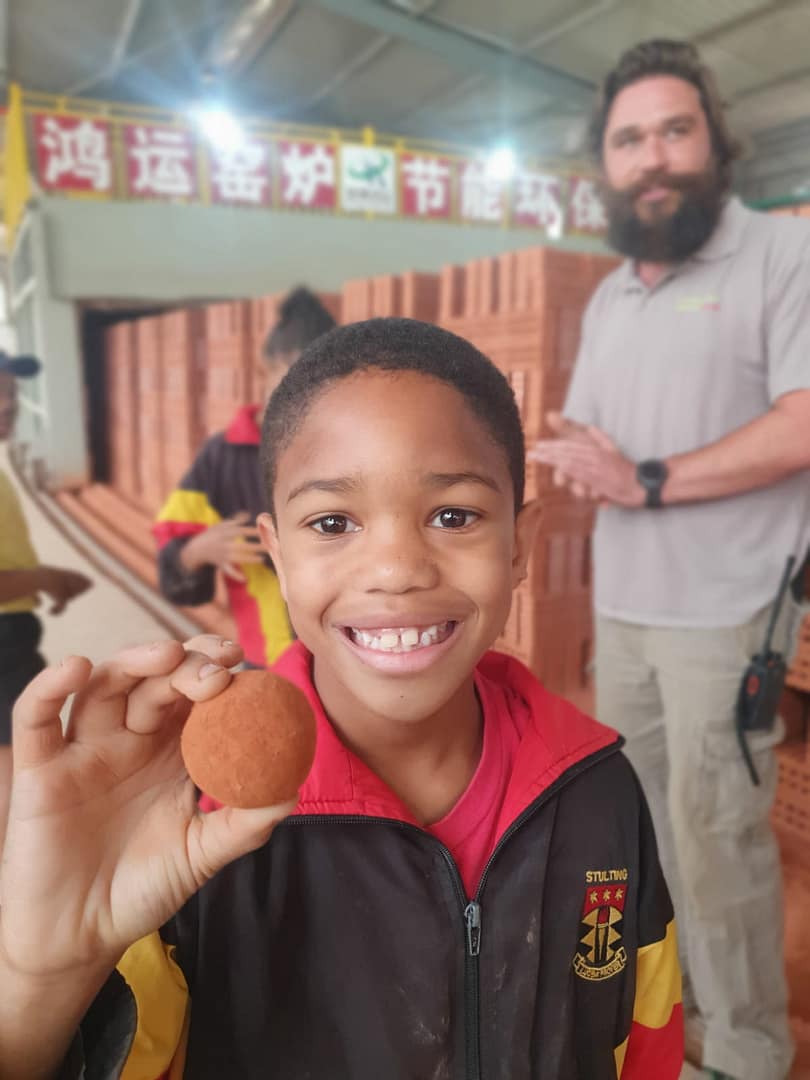
Laerskool Stulting Primary se graad 3’s het ‘n baie insiggewende, opvoedkundige uitstappie na Langkloof Stene gehad.Each learner received a piece of clay which kept them occupied while they were taken through the factory. Langkloof Bricks celebrates its 55th birthday this year.Die leerders het ‘n paar oulike feite oor verskeie tipes bakstene geleer, insluitend hoeveel bakstene ‘n mens nodig het om ‘n huis te bou en hoe verskillende bakstene verskil in sterkte en gebruik. Hulle het ook meer te wete gekom oor die hele proses van klei tot voltooide baksteen, insluitend hoe bakstene gevorm, gedroog en in ‘n oond teen baie hoë temperature gebak word om hulle duursaamheid te verseker.
𝐏𝐫𝐨𝐜𝐞𝐬𝐬 𝐨𝐟 𝐦𝐚𝐤𝐢𝐧𝐠 𝐛𝐫𝐢𝐜𝐤𝐬 𝐚𝐭 𝐋𝐚𝐧𝐠𝐤𝐥𝐨𝐨𝐟 𝐁𝐫𝐢𝐜𝐤𝐬:
- Langkloof Bricks utilises one of the most modern, energy efficient and environmentally friendly brick firing technologies in the world, a rotary tunnel kiln.
- The process of producing bricks involves mixing clay, coal, grog (crushed fired brick waste) and water according to a specific recipe and then forming it into its desired shape, drying it and then firing it in a kiln.
- It takes around 25,000 – 35,000 bricks to build a typical small home.
𝐊𝐢𝐥𝐧 𝐭𝐞𝐦𝐩𝐞𝐫𝐚𝐭𝐮𝐫𝐞𝐬 𝐚𝐧𝐝 𝐝𝐮𝐫𝐚𝐭𝐢𝐨𝐧 𝐟𝐨𝐫 𝐟𝐢𝐫𝐢𝐧𝐠 𝐛𝐫𝐢𝐜𝐤𝐬:
- Temperature: The firing temperature inside a brick kiln typically ranges between 900°C – 1100°C. The exact temperature depends on the type of brick being produced and the clay composition.
𝐅𝐢𝐫𝐢𝐧𝐠 𝐝𝐮𝐫𝐚𝐭𝐢𝐨𝐧:
- The firing process usually lasts 10 to 20 hours, depending on the kiln type and the size. However, the entire brick-making process, including mining, crushing, production, drying and firing, can take several days.
- After firing, the bricks are left to cool gradually to avoid cracking, ensuring the final product is durable and strong.
- After quality control the bricks are packed onto pallets and sold locally or within the region.
𝘿𝙞𝙙 𝙮𝙤𝙪 𝙠𝙣𝙤𝙬 𝙩𝙝𝙖𝙩 𝙇𝙖𝙣𝙜𝙠𝙡𝙤𝙤𝙛 𝘽𝙧𝙞𝙘𝙠𝙨 𝙥𝙧𝙤𝙙𝙪𝙘𝙚𝙨 𝟏𝟖𝟎 𝟎𝟎𝟎 – 𝟐𝟓𝟎 𝟎𝟎𝟎 𝙗𝙧𝙞𝙘𝙠𝙨 𝙙𝙖𝙞𝙡𝙮 𝙙𝙚𝙥𝙚𝙣𝙙𝙞𝙣𝙜 𝙤𝙣 𝙢𝙖𝙧𝙠𝙚𝙩 𝙙𝙚𝙢𝙖𝙣𝙙?
- There isn’t any wastage in their brick making process as reject bricks are reused. How cool is that?
- The kiln is 180m long, operates non-stop and moves a few meters every hour. It is built in a curved shape and moves around a circular building, taking about 1 week to do a full circle. There are two processes the bricks go through within the kiln. Firstly, it dries out the bricks to remove all the water. Secondly, they are fired at roughly 950°C before coming out the back of the kiln ready for quality checks, packing and sale. Once the bricks enter the kiln, it takes roughly 50 hours for the finished product to emerge.
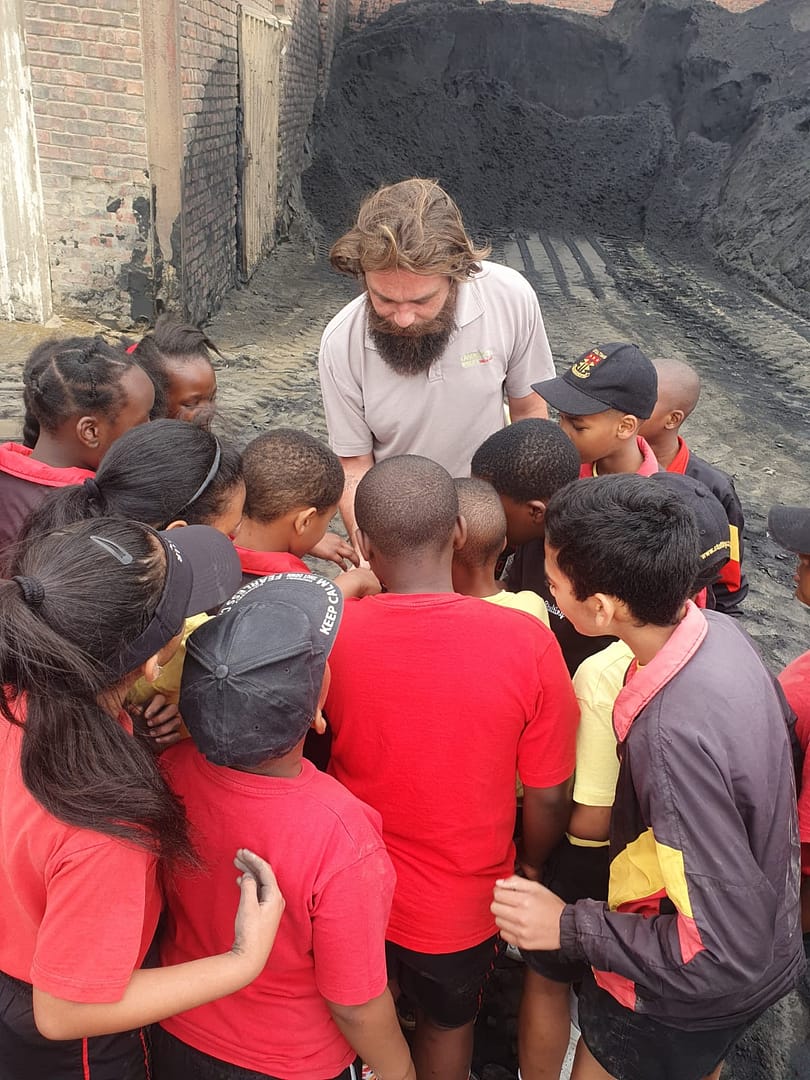
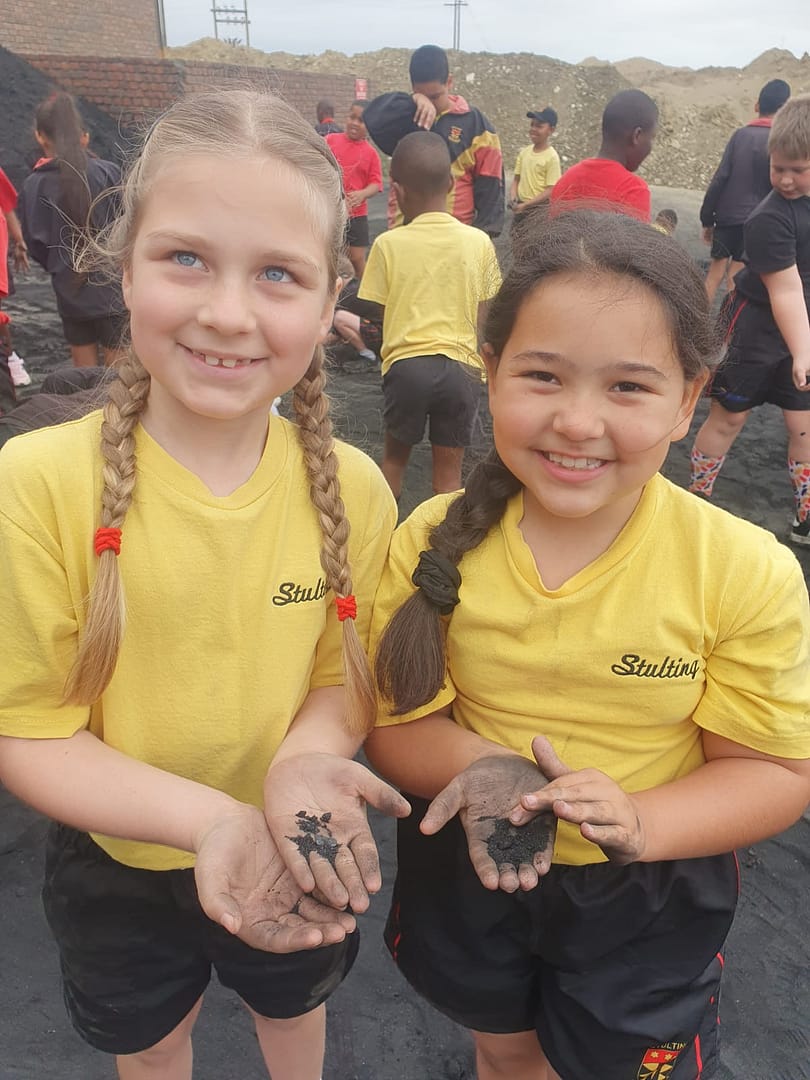
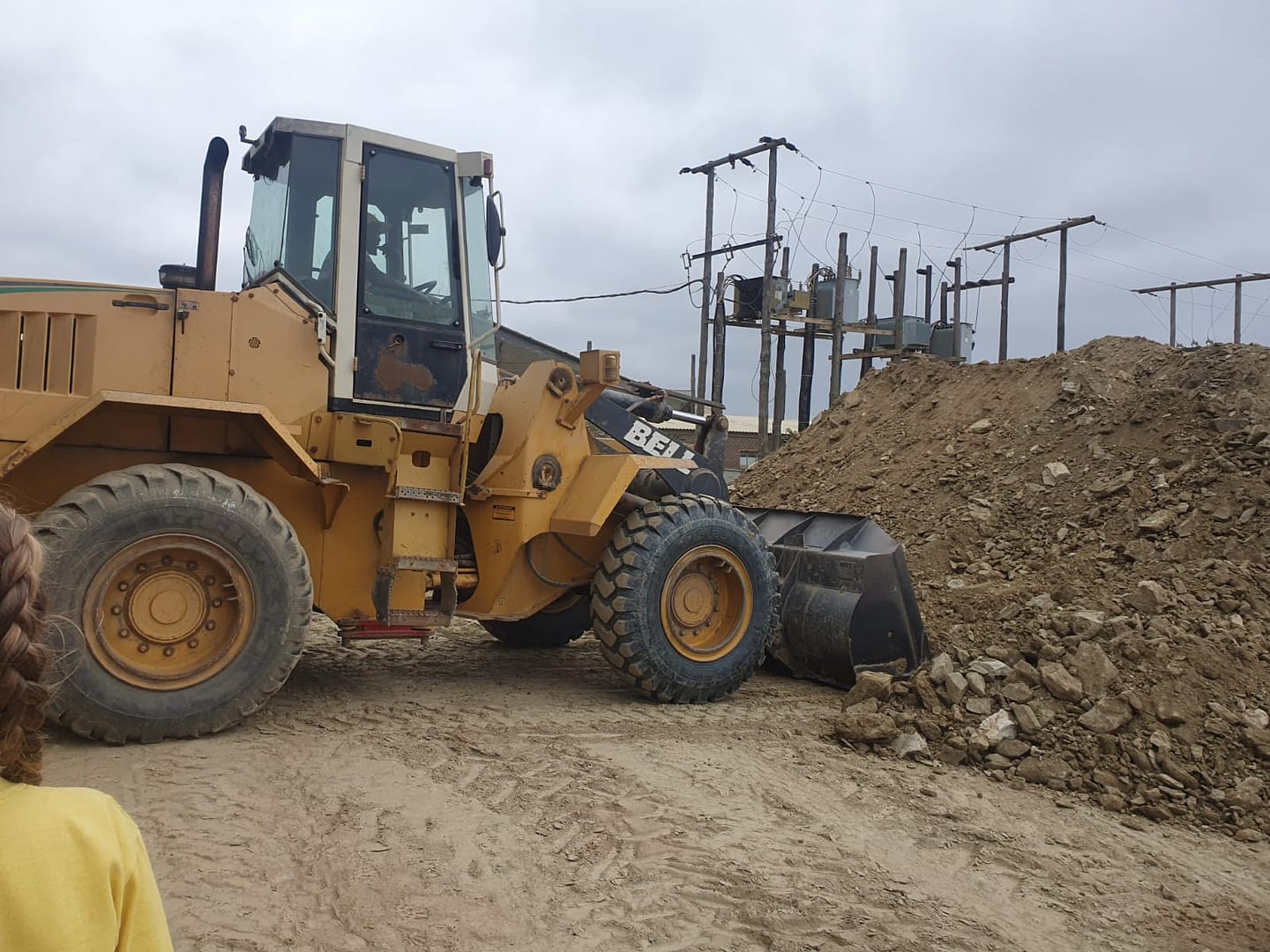
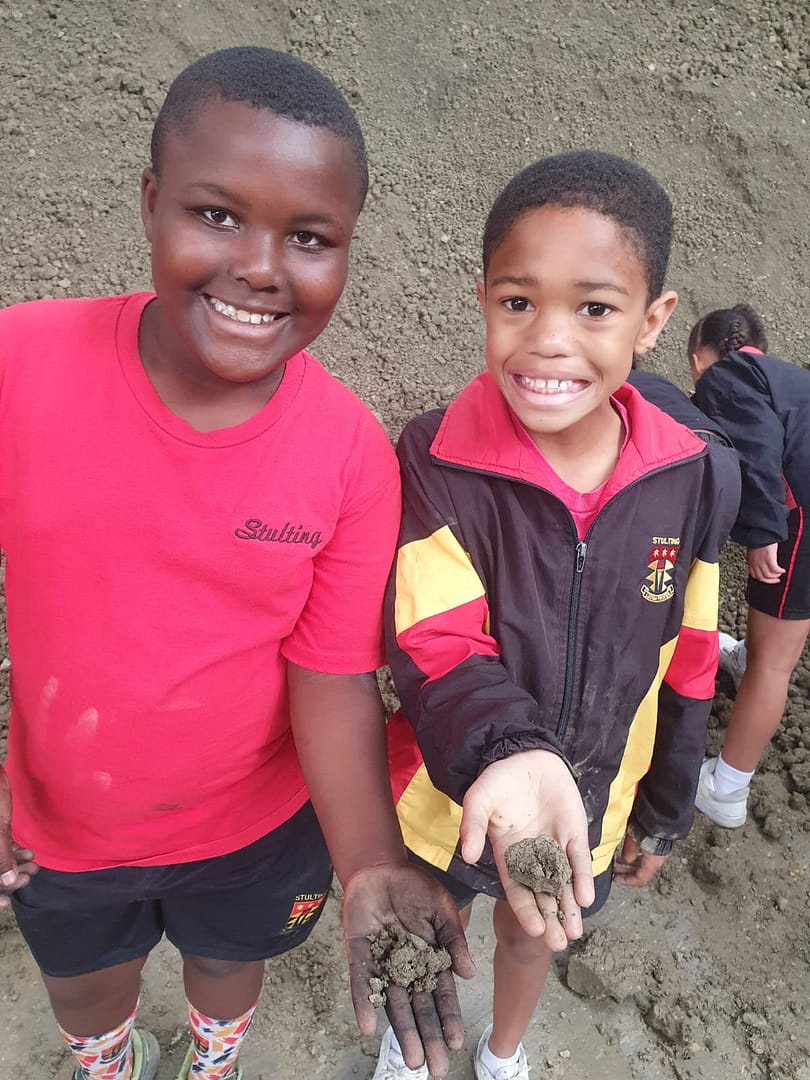
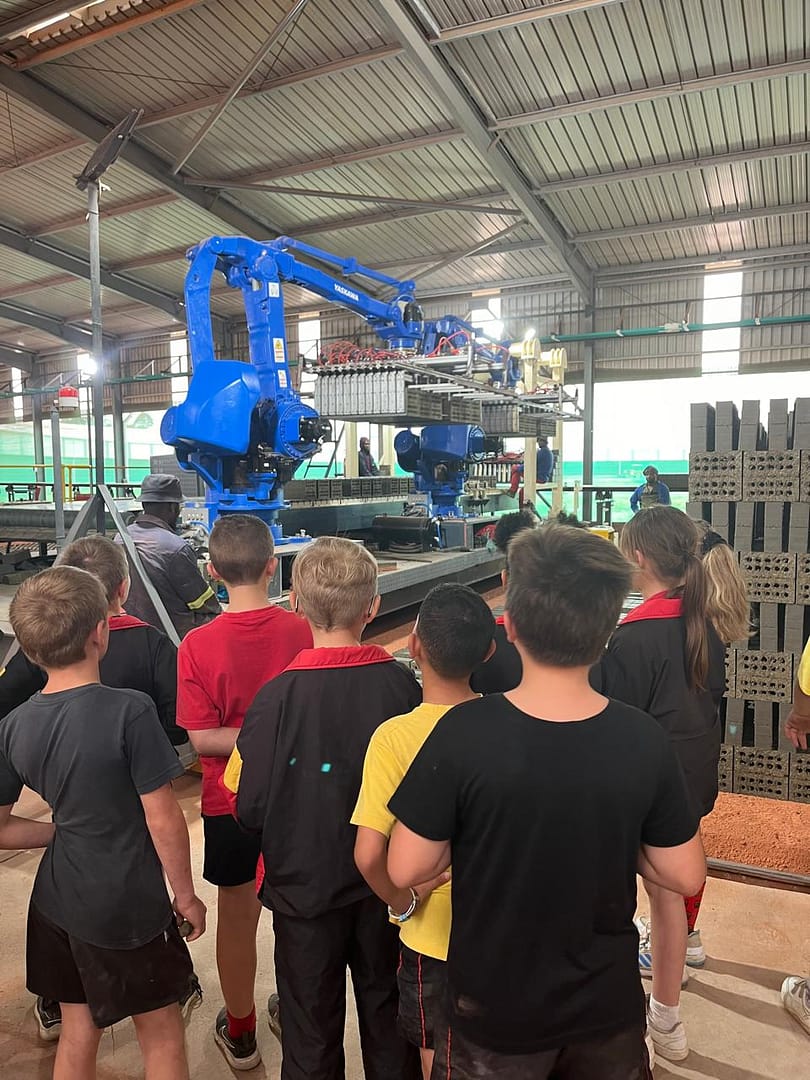
The extrusion process also ties in perfectly with our theme for the term: “𝐏𝐫𝐨𝐝𝐮𝐜𝐭𝐬 𝐚𝐧𝐝 𝐏𝐫𝐨𝐜𝐞𝐬𝐬𝐞𝐬”.
- Baie dankie aan almal wat vandag se uitstappie so aangenaam vir ons leerders gemaak het. ‘n Spesiale dankie aan die Blake-familie. Sonder julle gasvryheid en beplanning sou die uitstappie nie so ‘n groot sukses gewees het nie.
- ‘n Groot waardering aan die Blakes wat met soveel passie en geduld alles so mooi verduidelik het, asook presies hoe alles werk.
- Hartlike dank aan oom Dawie wat vir veilige vervoer vir ons uitstappie gesorg het. Ons graad 3’s waardeer Oom se bereidwilligheid om ons rond te karwei op ons uitstappies. Dit beteken baie vir ons dat ons altyd op Oom kan staatmaak.