Rethinking the degree how young South Africans are finding new paths after matric
ADVERTISEMENT
For decades, South African school leavers have been told the same story: finish matric, go to university and get a degree. That was the formula for success. But for many young people today, that formula simply does not work anymore. Limited space, rising fees and additional costs such as accommodation, transport and relocation, put traditional campus degrees out of reach for many families. This is driving a new path in how young South Africans approach education.
For a long time, the answer felt like failure. Today, it does not have to be. The idea that a three-year degree is the only route to a career is rapidly losing ground. New learning models, online programmes and shorter qualifications are creating pathways that are faster, more practical and far more accessible. For many young people, that shift is changing everything.
The real-world barriers
For many school leavers, the biggest challenge comes down to money. University fees are high and costs pile up fast.
“Funds are one of the biggest challenges,” says Estelle van der Westhuizen, Sales and Marketing Manager at Chartall Business College. “Many students simply cannot afford university fees, so they start looking for alternatives that are more affordable.”
Even with government‑recommended caps, public universities are implementing tuition increases of just over 4% for 2026, with annual fees for some undergraduate programmes ranging from about R62 000 to over R110 000 before accommodation and transport.
Academic results also shape options. Some learners do not achieve the marks they hoped for, while others cannot secure places in competitive programmes. Subject choices made in Grade 10 can also create complications.
“Learners choose their subjects in Grade 10, often with a specific career in mind,” van der Westhuizen explains. “But sometimes those choices are influenced by parents or expectations rather than the learner’s real interests. By matric, they may realise that the path they chose is not the right one for them.”
According to research conducted by Stellenbosch University, even when learners do qualify, the bottleneck is severe. Each year hundreds of thousands of matriculants meet the minimum requirements for higher education, yet many never secure a place at a public university. This highlights why alternative post‑school pathways have become so important.
Many students feel trapped when their options appear too narrow. The truth is they are entering a far more flexible educational landscape than past generations experienced.
Start small, build big
Instead of committing immediately to a full degree, learners now have the option of shorter, practical programmes such as higher certificates, vocational courses and micro-credentials.
“These programmes allow learners to start building qualifications in smaller, manageable steps,” says Leigh-Ann Revill, Principal and CEO of Chartall Business College. “All learning has value. If you study something now because that is what you can afford, that knowledge does not disappear. Over time it can contribute to a full qualification.”
This approach is often described as stackable learning. Smaller courses or modules can eventually count towards larger qualifications through credit accumulation or recognition of prior learning. For school leavers, it means they do not have to wait to afford a full degree before they begin learning or building a career.
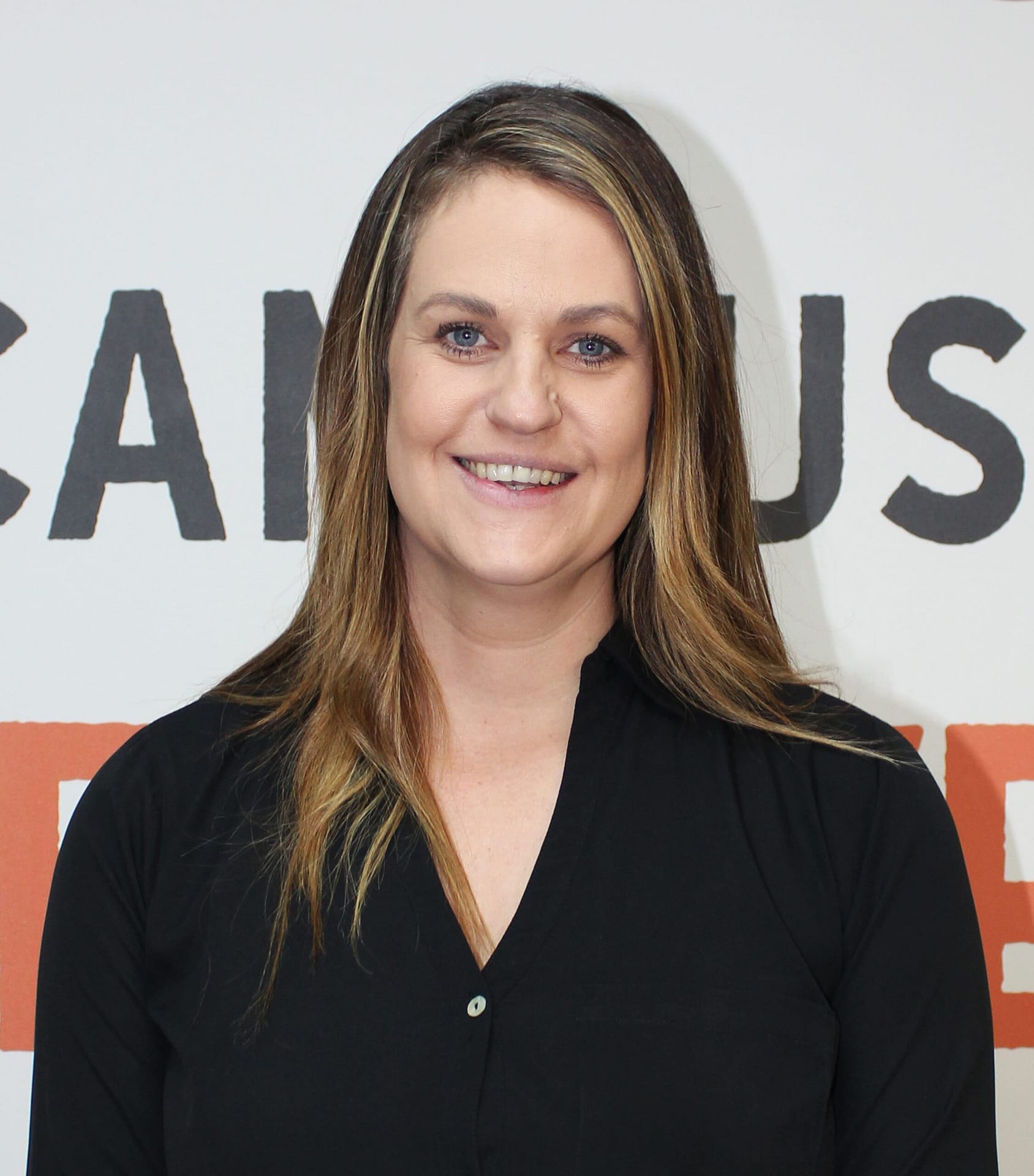
Leigh-Ann Revill
Making study more affordable
Cost remains a major concern, but institutions are finding creative ways to help students manage it.
“We have introduced a subscription-style model where students pay a small monthly amount while they study,” van der Westhuizen explains. “If something unexpected happens and they cannot afford to continue for a few months, they can pause their studies and start again when they are ready.”
Flexible payment models like this reduce the pressure of large upfront fees and make studying more manageable and accessible for families with limited resources.
Learn while you earn
Another major shift is the rise of programmes that allow students to work and study at the same time.
“Many people cannot afford to study full time,” Revill says. “Studying part time while working allows learners to apply what they are learning in real-world situations.”
Assignments are often based on workplace scenarios so students can immediately develop practical skills while building experience. Vocational programmes frequently connect study directly to specific careers.
“Some degree programmes are broad, and students are not always sure what job they will eventually get,” Revill notes. “Vocational qualifications are connected to particular occupations, which can make learners marketable much sooner.”
This approach enables learners to earn an income, gain experience and grow their careers while continuing their education.
Rethinking success
For parents, teachers and learners, the most important message may be that university is not the only path to a meaningful career. Shorter certificates, vocational qualifications and flexible study models allow school leavers to begin working sooner while continuing to learn over time.
“There are more options than just going straight into a three-year degree,” Revill says. “You can start with a one-year certificate, get a job, earn an income and keep studying as you go.”
Learning is no longer a one-time event after school. It is a lifelong process shaped by evolving industries and new technologies. For South African school leavers, that shift offers something important: the chance to start building a career today even if a traditional university degree is not an option.
Success does not have to start with a degree. It starts with taking the first step.
For decades, South African school leavers have been told the same story: finish matric, go to university and get a degree. That was the formula for success. But for many young people today, that formula simply does not work anymore. Limited space, rising fees and additional costs such as accommodation, transport and relocation, put traditional campus degrees out of reach for many families. This is driving a new path in how young South Africans approach education.
For a long time, the answer felt like failure. Today, it does not have to be. The idea that a three-year degree is the only route to a career is rapidly losing ground. New learning models, online programmes and shorter qualifications are creating pathways that are faster, more practical and far more accessible. For many young people, that shift is changing everything.
The real-world barriers
For many school leavers, the biggest challenge comes down to money. University fees are high and costs pile up fast.
“Funds are one of the biggest challenges,” says Estelle van der Westhuizen, Sales and Marketing Manager at Chartall Business College. “Many students simply cannot afford university fees, so they start looking for alternatives that are more affordable.”
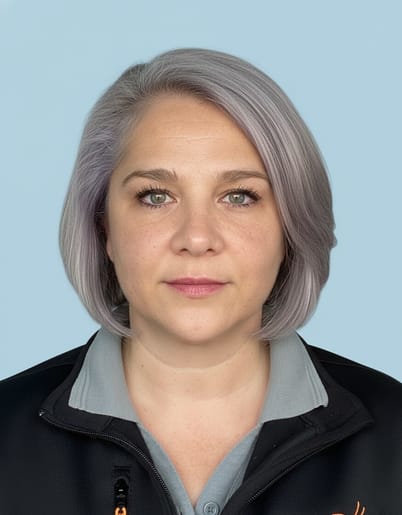
Estelle van der Westhuizen
Even with government‑recommended caps, public universities are implementing tuition increases of just over 4% for 2026, with annual fees for some undergraduate programmes ranging from about R62 000 to over R110 000 before accommodation and transport.
Academic results also shape options. Some learners do not achieve the marks they hoped for, while others cannot secure places in competitive programmes. Subject choices made in Grade 10 can also create complications.
“Learners choose their subjects in Grade 10, often with a specific career in mind,” van der Westhuizen explains. “But sometimes those choices are influenced by parents or expectations rather than the learner’s real interests. By matric, they may realise that the path they chose is not the right one for them.”
According to research conducted by Stellenbosch University, even when learners do qualify, the bottleneck is severe. Each year hundreds of thousands of matriculants meet the minimum requirements for higher education, yet many never secure a place at a public university. This highlights why alternative post‑school pathways have become so important.
Many students feel trapped when their options appear too narrow. The truth is they are entering a far more flexible educational landscape than past generations experienced.
Start small, build big
Instead of committing immediately to a full degree, learners now have the option of shorter, practical programmes such as higher certificates, vocational courses and micro-credentials.
“These programmes allow learners to start building qualifications in smaller, manageable steps,” says Leigh-Ann Revill, Principal and CEO of Chartall Business College. “All learning has value. If you study something now because that is what you can afford, that knowledge does not disappear. Over time it can contribute to a full qualification.”
This approach is often described as stackable learning. Smaller courses or modules can eventually count towards larger qualifications through credit accumulation or recognition of prior learning. For school leavers, it means they do not have to wait to afford a full degree before they begin learning or building a career.
Making study more affordable
Cost remains a major concern, but institutions are finding creative ways to help students manage it.
“We have introduced a subscription-style model where students pay a small monthly amount while they study,” van der Westhuizen explains. “If something unexpected happens and they cannot afford to continue for a few months, they can pause their studies and start again when they are ready.”
Flexible payment models like this reduce the pressure of large upfront fees and make studying more manageable and accessible for families with limited resources.
Learn while you earn
Another major shift is the rise of programmes that allow students to work and study at the same time.
“Many people cannot afford to study full time,” Revill says. “Studying part time while working allows learners to apply what they are learning in real-world situations.”
Assignments are often based on workplace scenarios so students can immediately develop practical skills while building experience. Vocational programmes frequently connect study directly to specific careers.
“Some degree programmes are broad, and students are not always sure what job they will eventually get,” Revill notes. “Vocational qualifications are connected to particular occupations, which can make learners marketable much sooner.”
This approach enables learners to earn an income, gain experience and grow their careers while continuing their education.
Rethinking success
For parents, teachers and learners, the most important message may be that university is not the only path to a meaningful career. Shorter certificates, vocational qualifications and flexible study models allow school leavers to begin working sooner while continuing to learn over time.
“There are more options than just going straight into a three-year degree,” Revill says. “You can start with a one-yar certificate, get a job, earn an income and keep studying as you go.”
Learning is no longer a one-time event after school. It is a lifelong process shaped by evolving industries and new technologies. For South African school leavers, that shift offers something important: the chance to start building a career today even if a traditional university degree is not an option. Success does not have to start with a degree. It starts with taking the first step.