International Water Safety Day – A child’s first swim changes everything
ADVERTISEMENT
The moment a child learns to swim, everything changes
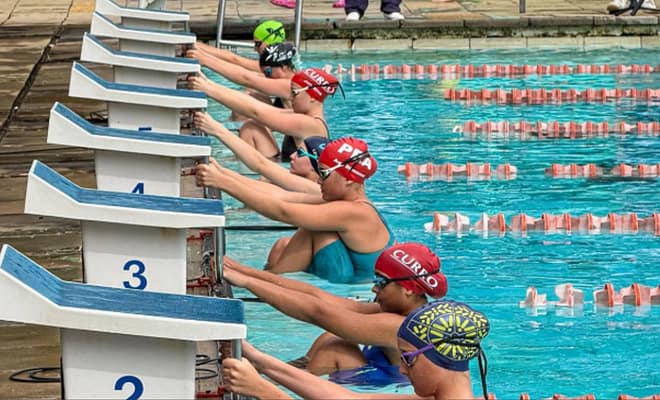
With International Water Safety Day on 15 May, Curro Edenvale is launching Curro Aquatics – a swimming programme that not only prioritises water safety and essential life skills, but also places a strong emphasis on developing competitive, professional-level swimming from an early age.
The timing is deliberate. The day after the global observance, on 16 May, the school will open its new aquatic programme, reinforcing a message that carries importance in South Africa, where water safety remains a concern.
Each year, an estimated 1 500 people in South Africa lose their lives to drowning. Behind every number is a family and a community deeply affected, with young children among the most vulnerable. It is a reality that highlights the need for greater awareness, education and early intervention. At Curro Edenvale, the response has been to act through education.
‘Swimming is the only sport where the skill itself becomes the safety net,’ says swimming coach Shayne de Vrye, who leads the programme. ‘Every other benefit – fitness, discipline, competitive development – builds on top of that foundation. But the foundation must be laid early, and it must be taught properly.’
Curro Aquatics at Curro Edenvale will cater for learners from Grade R through to Grade 12, offering structured swimming development in an indoor heated pool. The programme is designed to support children at every level, from those taking their very first strokes to those training with competitive goals in mind.
For de Vrye, the programme goes far beyond sport. ‘This is about giving children a life skill that stays with them forever. When a child learns to move confidently in water, it changes how they experience the world, and it adds a layer of protection that truly matters.’
The launch aligns closely with the spirit of International Water Safety Day, which serves as a reminder of the importance of education, awareness and prevention. Alongside the programme, de Vrye encourages parents to take practical steps at home and in their communities to improve water safety.

De Vrye shares practical steps parents can take:
- Constant, active supervision: Never rely on distance, distractions or assumptions around water. Whether it’s a pool, bath, bucket or dam, a responsible adult should always actively be watching children in or near water.
- Start swimming lessons early: Formal swimming instruction builds not only confidence, but critical survival skills. The earlier children learn how to float, breathe, and orient themselves in water, the better prepared they are for unexpected situations.
- Secure all water sources at home: Drowning can happen in surprisingly small amounts of water. Always empty buckets, cover tanks, and containers, and ensure pools are fenced or inaccessible when not in use.
- Teach clear water rules: Simple, consistent rules help children understand boundaries, such as no swimming alone, no running near pools, and always asking permission before going near water.
- Learn basic emergency response: Knowing CPR and basic rescue techniques can make a crucial difference while waiting for help to arrive.

‘Children should grow up with both a love and a healthy respect for water,’ says de Vrye. ‘Those two things must go together.’
Curro Aquatics programme has already established a strong reputation in the Western Cape, with swimmers achieving competitive success across various levels. The introduction of Curro Aquatics at Curro Edenvale extends that, combining performance development with a strong emphasis on safety, confidence and life readiness.