Six ways Grade R shapes a child for academic and life success
ADVERTISEMENT
Six ways Grade R shapes a child for academic and life success. Grade R (reception year) is the foundation on which a child’s education, life skills and emotional development is built. This school grade, for children aged four turning five by 30 June in the year of admission, has recently been made compulsory in South Africa in the Basic Education Laws Amendment bill signed by President Cyril Ramaphosa.
Grade R SPARK Carlswald mathematics teacher Thandeka Mahlangu explains why this foundation grade is so very important for a child’s development. “Children acquire a variety of fundamental skills in Grade R that get them ready for formal education. The curriculum is developed to assist scholars’ overall growth in the areas of cognition, socialisation, emotion, and physical development,” she says. How Grade R shapes a child:
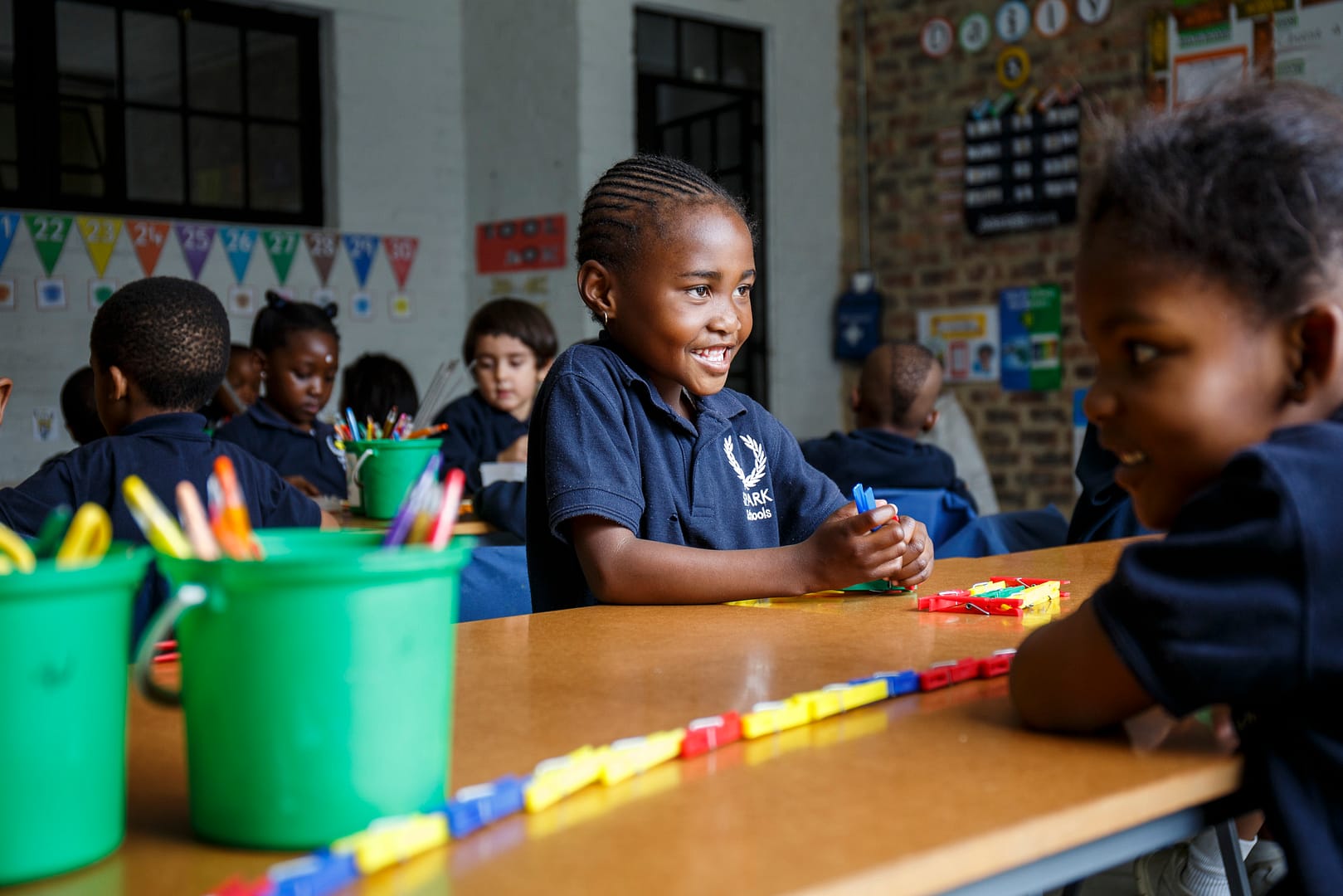
SPARK Schools.Grade R
- Foundation for Learning: Children are taught the fundamentals of reading, numeracy, and social skills, which are required for formal education. This early experience lays the groundwork for later academic achievement.
- Cognitive Development: The brain develops quickly in the early years of life. Through structured play, problem-solving exercises, and interactive learning, grade R education fosters cognitive growth and aids in the development of children’s critical thinking and reasoning abilities.
- Social and Emotional Skills: Scholars learn how to follow directions, get along with classmates, and adjust to a school setting. In Grade 1 and later, these social and emotional competencies are essential for adjusting to formal education.
- Closing Learning Gaps: Early education up to Grade R can aid in closing learning gaps brought on by differences in socioeconomic status. Early exposure to structured learning environments is beneficial for children from disadvantaged backgrounds and can result in better long-term outcomes.
- School Readiness: Grade R is required so that all scholars have the abilities and temperament needed to succeed in Grade 1. It facilitates the early detection and management of learning disabilities or developmental delays, enabling interventions prior to the start of official schooling.
- Lifelong Learning Habits: Curiosity and a love of learning are fostered by early education and are necessary for lifelong learning. Youngsters in Grade R are frequently more eager and self-assured scholars.
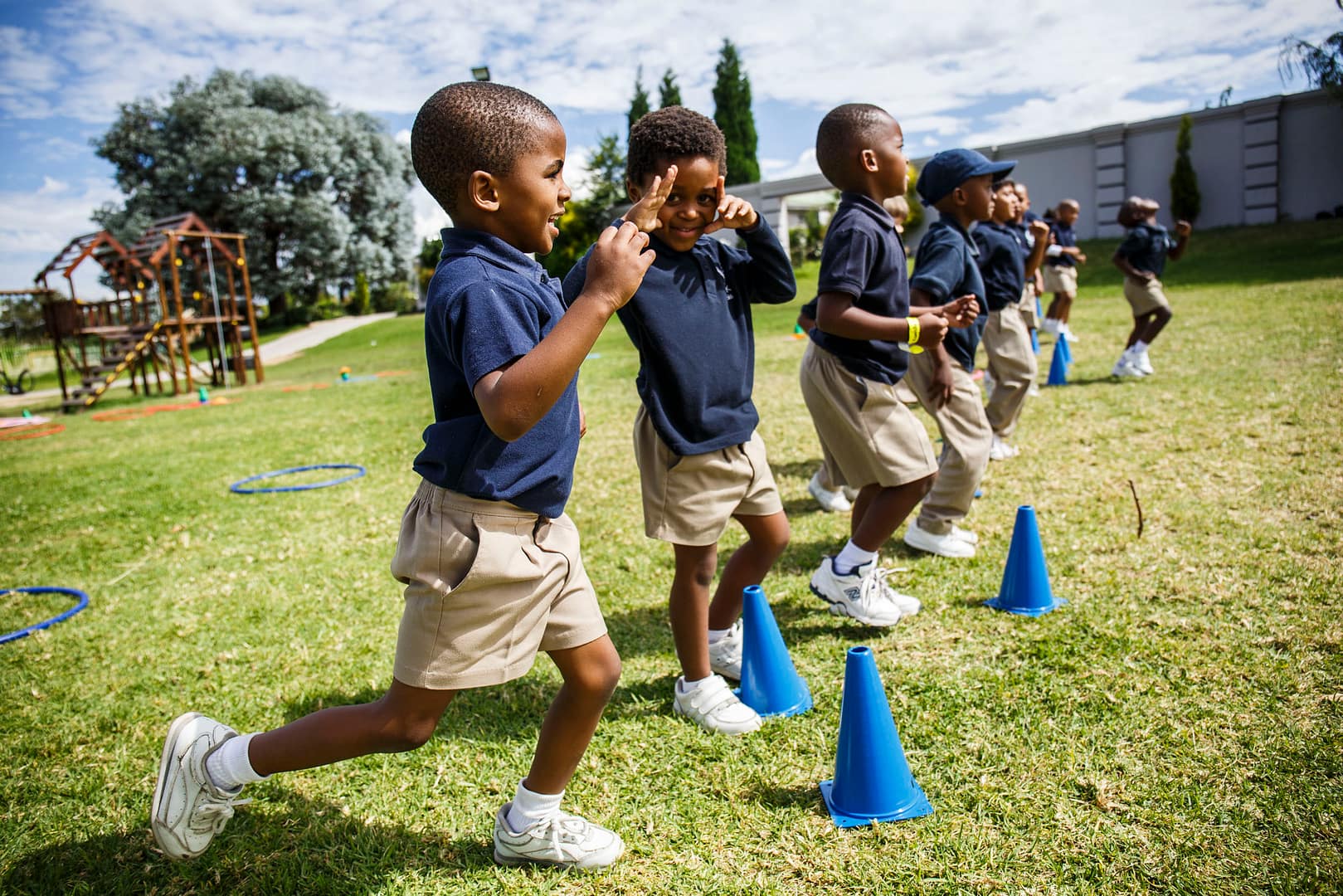
SPARK Schools.Grade R
“Grade R provides a playful and structured environment, with learning often delivered through games, songs, and hands-on activities to stimulate curiosity and a love for learning. This also helps with physical development (motor skills), social and emotional skills where they problem solve and co-operate with others,” she says. Mahlangu says Grade R makes the transition from home or preschool to primary school smoother by acclimatising children to a structured school environment. Children who are comfortable in this setting tend to perform better and enjoy school more.
As SPARK Schools have also employed a blended learning model that combines traditional teacher-led instruction with technology-driven learning. Grade R scholars engage with educational apps and digital resources that enhance their understanding of literacy and numeracy concepts, Mahlangu explains.“This model helps children develop technological literacy from an early age,” she says.“Grade R is a critical period in early childhood education. Children transition from informal learning at home to a more structured environment where we focus on developing those foundational skills that are essential for academic and life success,” she says.