Next level loading the future of educational gaming
ADVERTISEMENT
Next level loading the future of educational gaming. As school holidays end and Term 3 begins, many parents reflect on their children’s screen time, hours spent gaming, building digital worlds, or competing online. While it looked like play, there’s more happening behind the controller than meets the eye.
Imagine your child starting the new term not only refreshed but motivated, joining classmates in strategic sessions where they analyse data, communicate under pressure, and make quick decisions. Through esports, they’re building leadership, critical thinking, resilience, and digital skills that universities and employers actively seek.
This isn’t about replacing traditional learning; it’s about enhancing it. This is esports, and it’s transforming how we prepare learners for the future.
The numbers don’t lie
The statistics tell a clear story. In the United States alone, over $16 million in esports scholarships were awarded last year, opening new pathways to tertiary education virtually non-existent a decade ago. Globally, the Network of Academic and Scholastic Esports Federations (NASEF) now supports more than 3,500 clubs across 70 countries, including South Africa, while local institutions like Eduvos have launched leagues across 12 campuses.
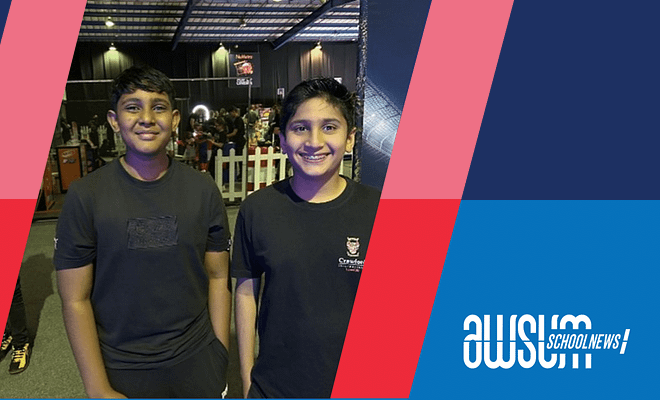
Momentum is building on home soil. The recent Curro Clash Western Cape LAN brought together schools from across the province for a weekend about far more than gaming. Now in its third year, the event has grown nearly threefold, showing rising interest in structured, competitive esports at school level. Most tellingly, esports programmes consistently show positive results in boosting both attendance and academic performance.
What your child is really learning while gaming
With the right approach, esports create positive spaces where learners develop real-world skills while doing something they’re passionate about. Take Minecraft PvP from the Curro Clash tournament. Beyond building with blocks, players learn to understand environments and use resources wisely (like problem-solving in mathematics), work with teammates under pressure (building communication skills), and adapt strategies based on opponents’ moves (developing critical thinking and emotional awareness).
In fast-paced team games like Overwatch or Valorant, players build even more transferable skills: staying calm while giving clear instructions under pressure, executing complex team strategies, and providing constructive feedback after matches, developing emotional intelligence and conflict resolution abilities.
“Many learners are no longer playing games for entertainment alone; they’re actively exploring how gaming connects to their futures,” says Magdeleen de Kock, Curro Esports Project Manager. “We’re seeing learners ask not only, ‘How do I win?’ but also, ‘How do I turn this into something bigger?’”
At Curro, roughly 1,700 learners in Grades 3 through 12 participated in formal esports leagues in 2024, a 55% increase over last year. The majority won’t pursue esports professionally, but they’re all developing skills that transfer directly to the modern workplace: time management, strategic thinking, appropriate online behaviour, leadership, and resilience.
Making it work in schools
Schools are succeeding by building on existing infrastructure. Many campuses already have computer labs and reliable internet access. By creatively repurposing these spaces, schools can introduce structured esports programmes without major disruption or cost.
The real value appears when play connects to purpose. Esports naturally support curriculum goals, from digital literacy and communication to systems thinking and reflection. Post-match debriefs and strategic sessions help learners process experiences, making learning active and practical.
Perhaps most importantly, esports creates spaces where learners who may not engage in traditional sports can thrive. It nurtures emotional resilience, teamwork, and positive online behaviour within guided environments that transform gaming from entertainment into meaningful educational experience.
Career reality check
This isn’t about every child becoming a professional gamer. South Africa has an estimated 10 million active gaming participants between ages 16 to 35, yet many schools haven’t embraced structured esports programmes. This represents an opportunity to engage learners who might otherwise be disconnected from traditional educational approaches.
“Esports is a powerful entry point into entrepreneurship,” explains de Kock. “When learners take on roles like shoutcasting or team streaming, they’re developing public speaking, content production, and event coordination skills. These activities teach learners to build something from scratch and think like entrepreneurs.”
It’s not simply screen time
The success of events like Curro LAN shows that when schools invest in esports thoughtfully, they create environments where learners thrive both socially and academically. If your child is already gaming, the question isn’t whether you should discourage it. It’s whether their school is helping them channel that interest meaningfully.
As one parent noted after watching the Curro Clash finals: “I came expecting to see kids playing video games. Instead, I watched young people demonstrating teamwork, handling pressure and supporting each other through wins and losses.”
Esports in schools isn’t about more screen time, it’s about smarter, purposeful engagement. The question for teachers and parents isn’t whether esports belongs in education. It’s whether we’re ready to meet learners where they are and prepare them for where they’re going.