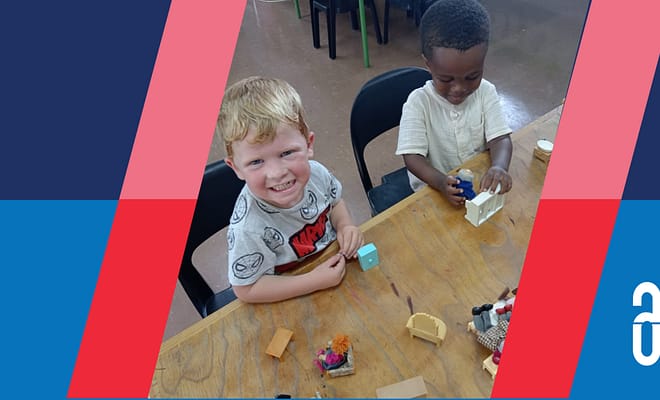
Home, Heart and School: Why Strong Family Partnerships Matter More Than Ever
ADVERTISEMENT
International Families Day reminds us that students thrive when schools and families walk the journey together
Modern life moves quickly. Busy schedules, digital distractions, academic pressure and emotional challenges continue to place enormous strain on family life and childhood development. Strong relationships between families, schools and communities have never been more important in helping students feel secure, supported and equipped to navigate an increasingly complex world.
International Families Day, celebrated globally on 15 May, shines a spotlight on the importance of relationships, connection and support structures that shape children emotionally, socially and academically. Healthy family environments remain one of the most powerful influences in a child’s development, providing the foundation for confidence, resilience, empathy and belonging.
According to Hilton Scott, Principal of Trinityhouse Preparatory Randpark Ridge the concept of family extends far beyond traditional definitions.
“Family includes every person who plays a meaningful role in a child’s life and development. Children thrive when they feel surrounded by people who genuinely care about them, encourage them and walk alongside them through life’s challenges,” says Scott.

(From left to right) Sphiwe Mbatha, Oluhle Mbatha, and Siviwe Mbatha from Trinityhouse Randpark Ridge
Modern family structures continue to evolve across South Africa and globally. Blended families, single-parent households, grandparents raising children and guardians fulfilling caregiving roles all form part of the rich diversity shaping today’s communities.
“While the structure of a family remains important, the presence of love, support, guidance and consistency is paramount. Every child deserves to feel valued, safe and emotionally connected,” Scott explains.
Strong communication remains central to healthy family relationships and effective support systems for children. Open dialogue between parents, teachers and caregivers helps create stability and trust, particularly during times of emotional or academic pressure.
“Children thrive when the important adults in their lives communicate openly and support one another. Genuine relationships create understanding, consistency and emotional security, which ultimately benefits the child,” says Scott.
Emotional wellbeing has become equally important as academic achievement in preparing students for life beyond school. Young people face increasing pressure to succeed academically while navigating social expectations, identity development and constant digital stimulation.

(From left to right) Graham Knight, Isabella Knight, and Laura Knight from Trinityhouse Randpark Ridge
“Success in life requires far more than academic knowledge. Children need emotional intelligence, empathy, resilience and healthy coping skills. Students perform best academically when they know their emotional wellbeing matters just as much as their marks and achievements,” Scott explains.
Technology continues to reshape how families communicate and connect, often creating tension between convenience and meaningful human interaction. Scott believes balance and intentional connection are essential within modern family life.
“Technology offers incredible opportunities, but meaningful human connection remains critical for healthy emotional development. Families need to create space for face-to-face conversation, healthy boundaries and genuine presence. Put the phones away,” he says.
Faith, shared values and strong moral guidance also continue to play an important role in helping children build character and navigate an increasingly uncertain world.
“Children benefit greatly when they grow up in environments that emphasise kindness, compassion, integrity, accountability and service. Consistent values help young people make wise decisions and understand the importance of treating others with respect,” says Scott.
Modern parenting often comes with pressure and uncertainty, leaving many families feeling overwhelmed by the demands of daily life. Scott encourages parents and caregivers to focus less on perfection and more on meaningful connection.
“Children do not need perfect parents or perfect families. They need love, encouragement, guidance and support. Small daily acts of care and attentiveness often make the greatest difference in a child’s life,” he says.
As International Families Day is celebrated around the world, the occasion serves as an important reminder that strong families, caring communities and meaningful relationships remain essential in raising compassionate, resilient and grounded young people for the future.
Written By: Hilton Scott, Principal of Trinityhouse Preparatory Randpark Ridge